
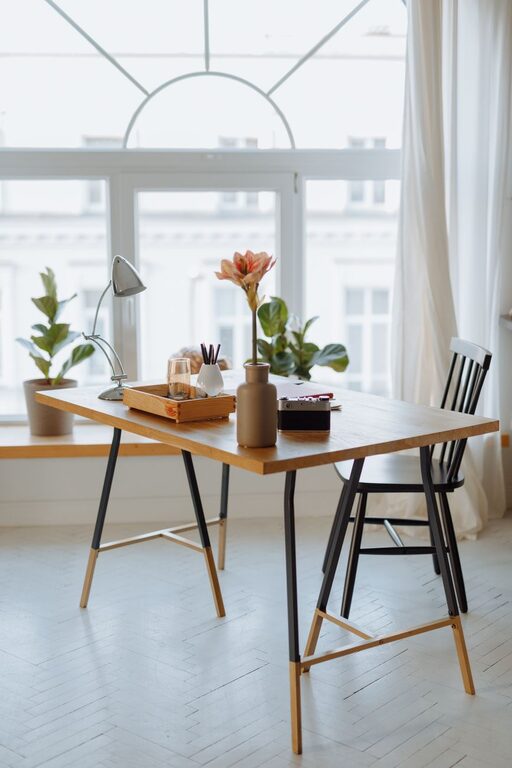
Creating a cozy and inviting home workspace is essential for maintaining focus and motivation while working from home. Whether you’re tackling daily tasks, attending virtual meetings, or brainstorming ideas, a well-designed workspace can make a big difference in your overall work experience. Here are some practical tips to help you create a space that feels comfortable and welcoming.
Choose the Right Location
Find a Quiet Spot
Start by selecting a quiet area in your home where you won’t be easily disturbed. This helps minimize distractions and keeps you in the zone.
Prioritize Natural Light
If possible, place your workspace near a window. Natural light can greatly improve your mood and help reduce eye strain, making work more enjoyable.
Invest in Comfortable Furniture
Ergonomic Chair
An adjustable, supportive chair is a must-have for long hours spent working. Ergonomic features help maintain good posture and prevent back pain.
Desk that Fits Your Needs
Choose a desk with enough surface area to hold your computer, notebooks, and other essentials. Adjustable desks that allow you to switch between sitting and standing are also worth considering.
Keep Your Space Organized
Declutter Regularly
A tidy workspace promotes focus. Take a few minutes each day to clear away unnecessary items and straighten up your desk.
Use Organizational Tools
Drawer organizers, shelves, and desk trays can help keep supplies like pens, papers, and chargers in order and within easy reach.
Add Personal Touches
Decorate with What Inspires You
Incorporate items that motivate or relax you, such as artwork, plants, or photos. These personal touches make the space uniquely yours and can boost creativity.
Use Soothing Colors
Choose calming colors like soft blues, greens, or neutrals to paint or decorate your workspace. These hues help create a peaceful environment.
Control Lighting for Comfort
Layer Your Lighting
Combine overhead lighting with task lamps to ensure your workspace is well-lit without glare or shadows.
Use Warm Bulbs
Warm, soft lighting creates a cozy atmosphere and reduces eye strain compared to harsh fluorescent lights.
Promote Good Air Quality
Keep Fresh Air Circulating
If you can, open windows regularly to let in fresh air. Alternatively, use an air purifier or add some houseplants known for improving indoor air quality.
Maintain Comfortable Temperature
Keep your workspace at a comfortable temperature with a fan, heater, or thermostat, depending on the season.
Create Zones for Different Activities
Separate Work and Break Areas
If space allows, designate distinct spots for focused work versus relaxing or taking breaks. This mental separation helps balance productivity and rest.
Use Rugs or Screens
A rug under your desk or a room divider can visually separate areas and make your workspace feel more organized and inviting.
Minimize Noise Distractions
Use Noise-Cancelling Headphones
For unavoidable background noise, noise-cancelling headphones can help you concentrate better.
Add Soft Materials
Textiles like rugs, curtains, and cushions absorb sound and reduce echo, contributing to a quieter environment.
Establish Daily Routines
Set Work Hours
Define clear start and end times for your workday to create boundaries and prevent burnout.
Take Regular Breaks
Schedule short breaks to stretch, hydrate, or relax your eyes. This keeps your mind fresh and your body comfortable.
Final Thoughts
Designing a cozy and inviting home workspace doesn’t require a major overhaul. Small changes like adding a plant, improving lighting, or organizing your desk can make a huge impact. Remember, the goal is to create a space that feels comfortable and motivates you to do your best work every day.
By combining functionality with personal comfort, you can enjoy a home workspace that fosters both productivity and well-being.